
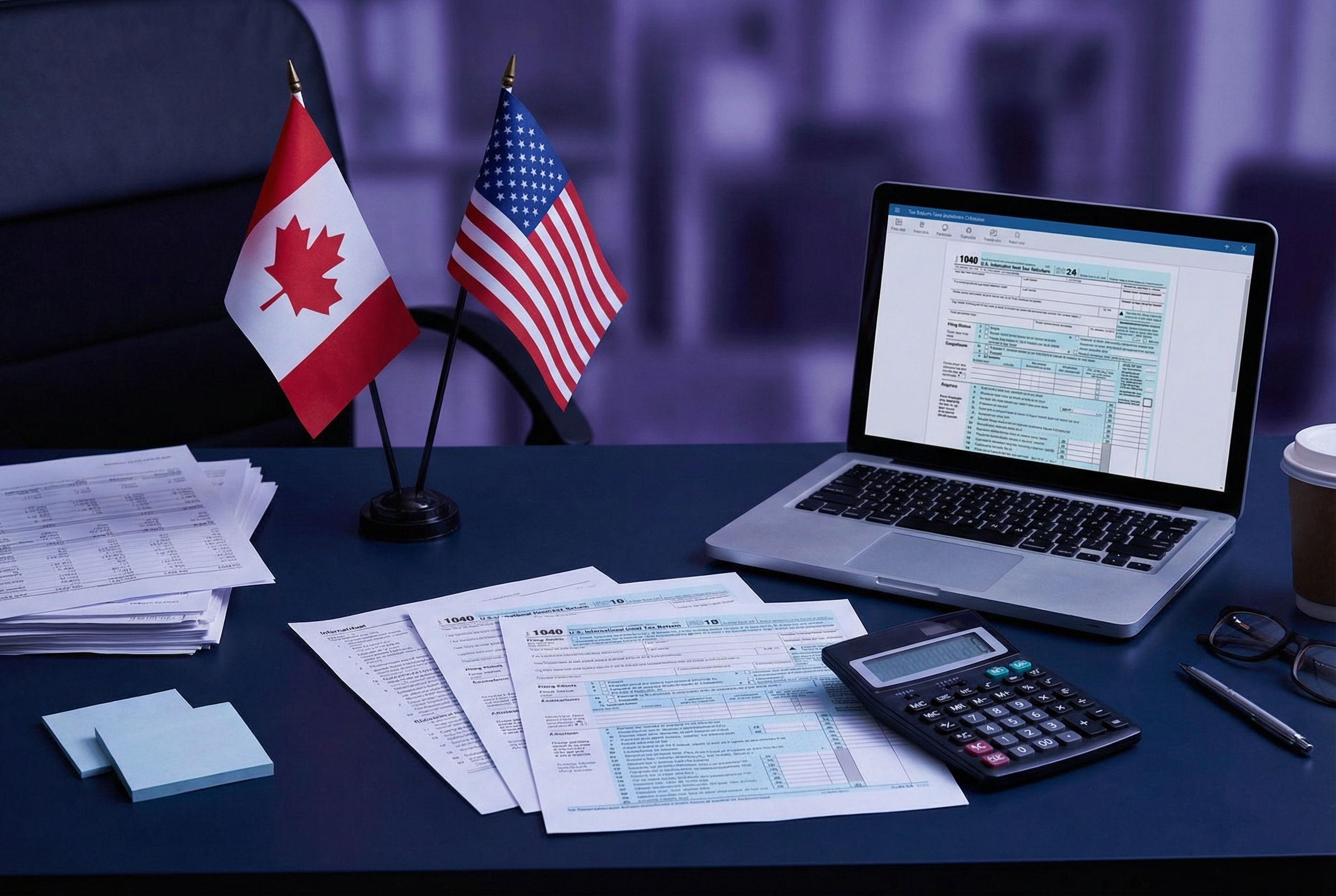
Tax planning happens before December 31. Tax preparation happens after. The distinction matters because most strategies that reduce tax liability require action during the tax year, not after it closes. Once January 1 arrives, the majority of your options for the prior year are locked in.
For small business owners, the final two months of the year present a concentrated window to evaluate income, time expenses, make retirement contributions, and implement structural changes that affect the bottom line. The businesses that pay the least in taxes relative to their income are not the ones with the most aggressive positions. They are the ones that plan earliest and execute with precision.
This checklist covers the highest-impact strategies to address before the year ends.
Why Year-End Planning Matters More Than Tax Preparation
Tax preparation is a reporting exercise. Your CPA takes the financial data from the year and files it accurately. There is limited opportunity to change outcomes at that stage. Tax planning is a decision-making exercise. It involves analyzing current-year income, projecting full-year results, and taking actions that legally reduce taxable income.
The business owner who meets with their CPA in November has two months to act. The one who waits until March has already missed every year-end deadline.
Income Timing Strategies
Cash-basis businesses have flexibility in when income is recognized. If you expect your income to be higher this year than next, consider delaying invoicing in late December so payment arrives in January. This defers the income into the following tax year.
Conversely, if you expect income to increase next year or if you are close to a favorable tax bracket threshold, consider accelerating income by invoicing earlier and requesting faster payment.
For businesses anticipating significant revenue growth, income timing can also affect the Section 199A qualified business income deduction phase-out thresholds.
Expense Acceleration Tactics
If you have planned purchases for Q1 of next year, evaluate whether making them before December 31 produces a meaningful tax benefit. Prepaying certain expenses such as rent, insurance premiums, or annual software subscriptions can be deducted in the current year if the prepayment covers no more than 12 months.
Office equipment, computers, furniture, and other tangible business property purchased and placed in service before year-end qualify for either Section 179 expensing or bonus depreciation, both of which provide immediate deductions rather than multi-year depreciation.
Do not wait until tax season to discover what you could have done differently. Schedule a year-end planning session with TYM Consulting before November 30.
Retirement Plan Contributions
Retirement contributions are among the most powerful year-end tax strategies because they reduce taxable income dollar for dollar while building long-term wealth. For Solo 401(k) plans, the employee deferral portion ($23,000, or $30,500 if age 50 or older in 2024) must be made by December 31. The employer profit-sharing contribution can be made up until the tax filing deadline.
For SEP-IRAs, the entire contribution (up to 25% of net self-employment income, maximum $69,000) can be made until the filing deadline, including extensions. However, the plan must be established by December 31 of the tax year.
SIMPLE IRA employee deferrals are due by January 30 following year-end for small employers.
Depreciation and Section 179 Elections
Section 179 allows immediate deduction of the full cost of qualifying equipment, vehicles (with limitations), software, and certain improvements. The 2024 deduction limit is $1,220,000. Bonus depreciation, which is being phased down, allows additional first-year depreciation on qualifying property.
For business owners considering vehicle purchases, the Section 179 deduction for SUVs and trucks over 6,000 pounds gross vehicle weight is particularly valuable, with deductions up to $30,500 for SUVs (2024 limit) and higher for trucks used 100% for business.
Entity Structure Review
Year-end is the time to evaluate whether your current entity structure remains optimal. If your business has grown to the point where S Corp election would save more in payroll tax than it costs in compliance, the election for the following year can be made by filing Form 2553 within the first 75 days of the new tax year.
If you operate multiple business activities through a single entity, splitting into separate entities may provide tax advantages or liability protection that the current structure does not.
Estimated Tax Payment Reconciliation
Review your quarterly estimated payments against projected total tax liability. If you are behind, a larger Q4 payment can reduce or eliminate the underpayment penalty. If you have a W-2 job in addition to your business, increasing withholding in the final pay periods of the year is treated as if it were spread evenly across all four quarters, which can retroactively cure earlier underpayments.
Employee and Contractor Compliance
Before year-end, verify that all workers are properly classified as employees or independent contractors. Review W-4s for employees and ensure W-9s are on file for all contractors who will receive a 1099. Confirm that all contractor payments exceeding $600 are tracked for 1099-NEC reporting, due January 31.
Review employee benefit plans for compliance and contribution limits. If you offer a retirement plan, ensure required employer contributions are calculated correctly.
Charitable Giving and Community Investments
Business donations to qualified charitable organizations are deductible in the year made. For business owners who itemize, bunching multiple years of charitable giving into a single year can push total deductions above the standard deduction threshold, maximizing the tax benefit.
Donated inventory must be deducted at cost basis, not fair market value. Cash contributions are deductible up to 60% of adjusted gross income for individuals.
The November Planning Session
The single most valuable action a business owner can take is scheduling a year-end planning meeting with their CPA in early November. This meeting should cover a projection of full-year income and deductions, analysis of retirement contribution capacity, review of any planned capital expenditures, entity structure evaluation for the following year, and estimated tax payment reconciliation.
TYM Consulting conducts year-end planning sessions with business clients each fall, providing specific, quantified recommendations that clients can implement before December 31.
Year-end tax planning is where the biggest savings happen. Contact TYM Consulting to schedule your annual planning session.